

Bourbon whiskey comes down to three things: grain, water, and yeast. That short list looks simple, but it hides dozens of decisions that shape what ends up in your glass. The grains a distiller picks, along with a set of federal rules, decide what earns the name bourbon and how it tastes after years in the barrel. At Bardstown Bourbon Company, we treat these three ingredients as a place to start, pairing Kentucky methods with our own work in blending and finishing.
This blog includes the four grains behind bourbon, how mash bills work, the legal rules that define the category, and how we turn these bourbon whiskey ingredients into discovery.
The Core Ingredients Behind Every Bottle of Bourbon
Every bourbon begins with grain, water, and yeast. On paper, these bourbon whiskey ingredients look almost too plain to matter. Change any one of them, though, and the result shifts. Grain sets the flavor direction. Water affects fermentation and how we bring the spirit down to proof. Yeast adds aroma and character while the mash ferments. Put them together, and you get a young spirit that meets oak next, where much of the flavor you taste later develops.
The Four Grains and What Each One Brings

Four grains do most of the heavy lifting in bourbon: corn, rye, wheat, and malted barley. The ratio a distiller chooses shapes sweetness, spice, texture, and depth in the finished whiskey.
Corn: Sweetness and Body
By law, bourbon must contain at least 51% corn. Corn brings a rounded sweetness and a full texture across the palate. It gives the spirit the recognizable base everything else builds on.
Rye: Spice and Structure
Rye adds a peppery bite and a dry backbone. High-rye recipes push the profile toward spice and firmer structure, which suits drinkers who want more grip in the glass.
Wheat: Softness and Roundness
Wheat takes rye’s place in wheated bourbon, creating a gentle, mellow character. It softens the mid-palate and lets the corn sweetness carry through with less spice getting in the way.
Malted Barley: Enzymes and Depth
Malted barley converts starch into fermentable sugar, a step that has to happen before distillation. In small amounts, it also brings nutty, grainy notes.
Each grain has a defined job, and how they balance sets the whole recipe in motion.
Understanding the Mash Bill
A mash bill is the grain recipe a distiller uses, listed by percentage. Those ratios define a bourbon’s identity long before any barrel comes into the picture. A rye-forward mash bill leans toward spice and dryness. A wheated mash bill favors softness and rounded sweetness.
Two bourbons can share the same corn base and still taste worlds apart because their secondary grains differ.


The Legal Rules That Make Bourbon, Bourbon
Bourbon follows federal standards set by the TTB. The mash needs at least 51% corn, and the spirit has to age in new charred oak barrels. Distillation cannot go above 160 proof, and the whiskey enters the barrel at no more than 125 proof. Kentucky straight bourbon refers to bourbon aged at least two years in Kentucky, with no blending of younger whiskeys and no additives. No added color or flavoring is allowed, so everything in the glass traces back to grain, fermentation, distillation, and wood.
Beyond Grain: Water, Yeast, and Barrels
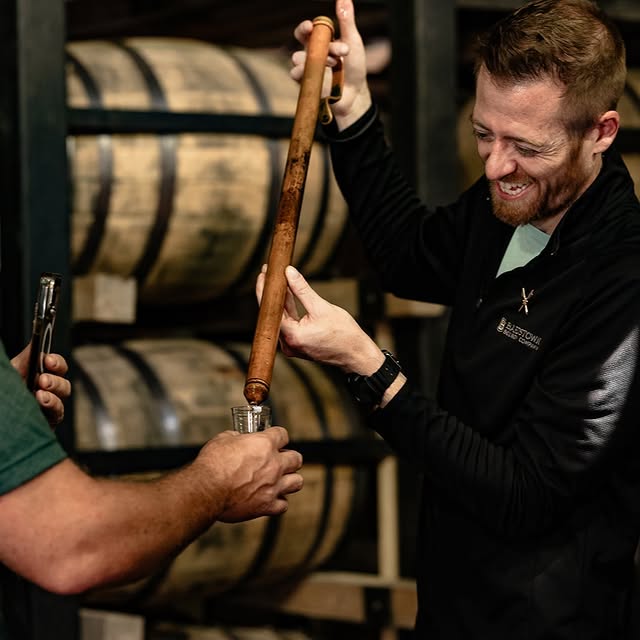
Water shapes fermentation and later brings the spirit down to bottling proof, so where it comes from matters. Yeast strains carry their own flavor fingerprints, adding fruit, floral, or grain-driven notes during fermentation. New charred oak does the aging work, pulling color, vanilla, caramel, and spice into the whiskey as it moves through the wood season after season.
How We Turn These Ingredients Into Discovery
We work with both estate-distilled and blended approaches. Our estate-distilled releases show what our own production can do, while our Discovery Series blends whiskies into more complex expressions.
We test mash bills and barrel finishes to bring out flavors that reward curious drinkers, and we tie every result back to process and purpose.
FAQs
What is bourbon whiskey made from?
Bourbon is made from grain with at least 51% corn, plus water and yeast, then aged in new charred oak barrels.
What is the difference between bourbon and Kentucky straight bourbon?
Kentucky straight bourbon has to age at least two years in Kentucky with no added coloring, flavoring, or blending of younger whiskeys. Standard bourbon carries fewer requirements.
Does the mash bill determine how bourbon tastes?
Grain ratios shape flavor in a big way, but fermentation, yeast, and barrel aging matter just as much.
Find The Perfect Pour
Bourbon starts with a few grains, water, and yeast, then earns its name through clear rules and time in charred oak. Those plain ingredients lead to endless possibilities, from rye-forward spice to wheated softness and everything in between.
Ready to taste where these ingredients can go? Explore our full portfolio and find your perfect pour.