

Every bourbon we make starts with a choice about grain. Before a single drop hits the still, the recipe already leans toward a certain flavor. We call that recipe the mash bill, and it decides the sweetness, the spice, the weight, and the balance you taste later. Learning the bourbon whiskey ingredients gives curious drinkers a way to read a bottle before pouring, and to understand why one expression comes across bolder while another feels softer.
This blog includes the four core grains, the legal rules that shape bourbon, what yeast and water quietly bring, and a simple way to read what shows up in your glass.
What Goes Into Bourbon Whiskey Ingredients
Four grains build the base of nearly every bourbon: corn, rye, wheat, and malted barley. Federal rules require at least 51% corn, distillation to no higher than 160 proof, and aging in new charred oak.
A Kentucky straight bourbon adds a few conditions: aging a minimum of two years in Kentucky with nothing but water going in. Water and yeast work alongside the grain, shaping how fermentation runs and how the spirit feels on the palate. The recipe begins well before distillation, since those grain proportions set the direction for everything after.
The 51% Corn Rule and What It Means
Corn carries the flavor foundation. That 51% legal floor means corn always leads, bringing natural sweetness, a rounded body, and a fuller texture across the tongue. Push corn higher, and the spirit turns softer and sweeter. Keep it near the minimum, and the other grains get room to talk. You taste corn as a gentle sweetness with real weight behind it. Our estate-distilled approach begins right here, with grain we control from the field forward.
How the Grain Bill Defines the Mash Bill
People swap the terms grain bill and mash bill without much thought. The grain bill lists which grains go in. The mash bill assigns each one a percentage. Those numbers turn straight into flavor decisions. A recipe of 75% corn, 21% rye, and 4% malted barley points to a spicier pour, while a bigger wheat share promises something softer.
Reading a mash bill like a whiskey drinker means treating each figure as a hint about the aroma, texture, and finish coming your way.
Rye, Wheat, and Barley: The Flavor Grains
Corn sets the base. The secondary grains shape each bourbon’s personality.
Rye for Spice and Structure
Rye brings a peppery bite, a dry edge, and a firm backbone. High-rye bourbons taste bolder, with baking spice, black pepper, and a crisp finish that holds the sweetness in check.
Wheat for Softness and Roundness
Wheat trades rye’s spice for a mellow, gentle character. Wheated bourbons feel rounder and calmer, and since wheat stays in the background, barrel notes of caramel and vanilla step forward more clearly.
Barley for Malt and Fermentation
Malted barley carries the enzymes that turn grain starch into fermentable sugar, which makes fermentation happen. In the glass, it adds a quiet malty, nutty texture that supports the other grains without taking over.
Why the Mash Bill Isn’t the Whole Story
The mash bill points the way, but fermentation, distillation, and aging rewrite the flavor along the route. Time in oak, entry proof, and where a barrel sits in the warehouse all move the result. Blending and finishing pile on more complexity, layering barrels and secondary casks into one expression.
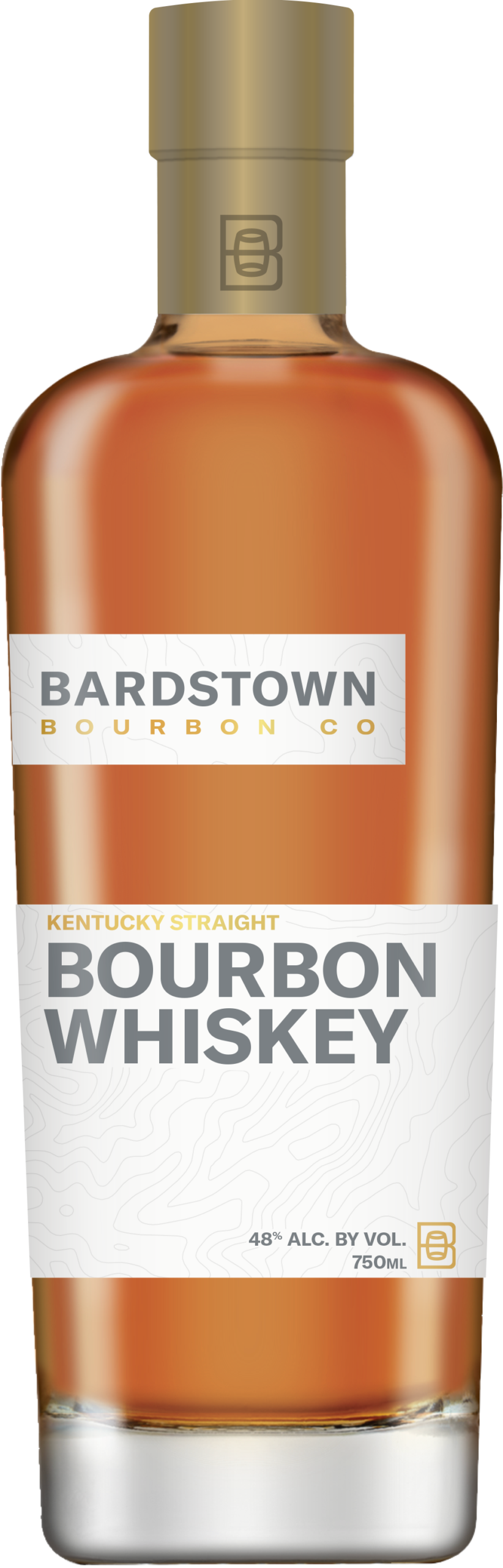
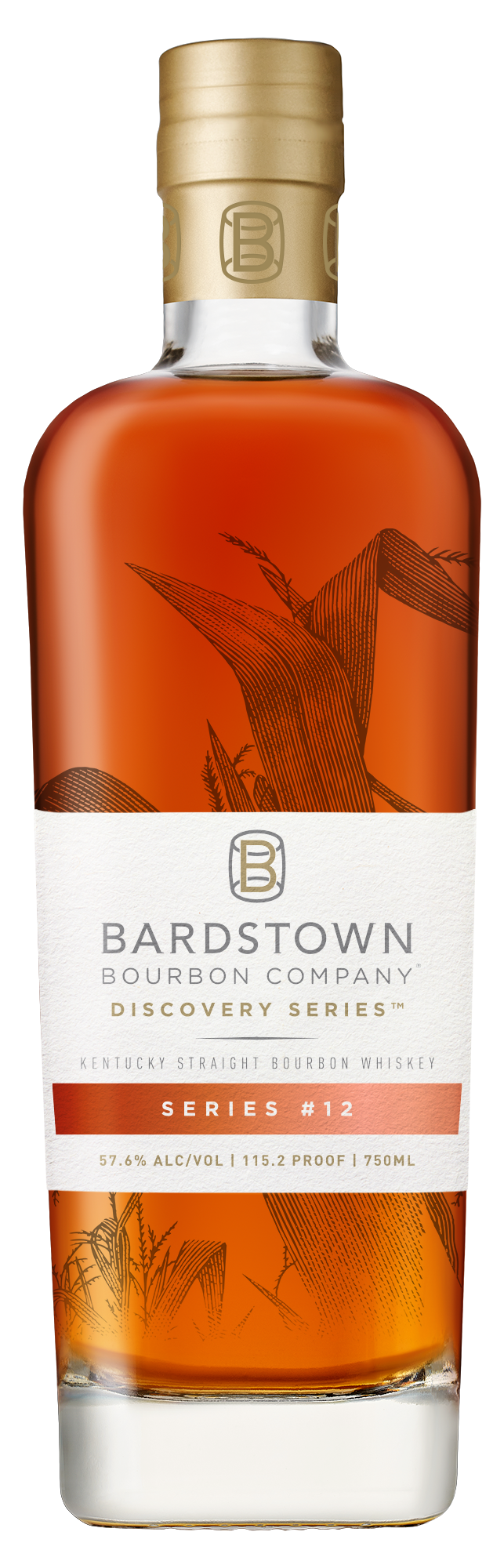
Our Discovery Series shows this well, combining whiskies of different ages and mash bills into balanced Kentucky straight bourbon releases. This is where our experimentation meets Kentucky tradition, keeping proven methods while reaching for new flavor.
FAQs
What are the main bourbon whiskey ingredients?
Bourbon relies on corn, rye or wheat, and malted barley, plus water and yeast. Corn must make up at least 51% of the mash bill, while the secondary grains and yeast shape spice, softness, and aroma.
What makes a bourbon a Kentucky straight bourbon?
A Kentucky straight bourbon ages at least two years in new charred oak within Kentucky, with no added coloring or flavoring. Only water may go in to adjust proof.
Does the mash bill alone determine how bourbon tastes?
No. The mash bill sets the direction, but fermentation, distillation, aging, blending, and finishing all reshape the final flavor.
How We Read Bourbon Whiskey Ingredients in the Glass

Connecting label percentages to tasting notes turns numbers into something you can taste. Corn shows up as sweetness and body, rye as pepper and spice, wheat as a soft, rounded feel. Try this at home: pour a high-rye bourbon next to a wheated one and note where the spice drops off, and the softness takes over.
Understanding grains deepens every pour and gives you the words for why a bourbon tastes the way it does. The mash bill is the first step in discovery, the starting line for everything after it.
Explore our portfolio and read your next bottle from the grain up.